
.svg)
.jpg)
There was a time when the internet felt like a living, breathing place.
A little weird and definitely imperfect, but uniquely human.
It was a space built on curiosity and play: messy blogs, inside jokes, handmade websites, fun games, status updates that were really updates about people’s lives. Social media was actually social. It was a real way to stay connected.
But the internet we have now? It doesn’t feel like that anymore.
From Human Spaces to Content Machines
Somewhere along the way, the internet shifted. It stopped being a collection of people and became a marketplace of bots, brands, and automated systems. Open a comment section today and you’ll find bots arguing with other bots. Scroll through a feed and it’s hard to tell whether a post was made by a person or stitched together by a language model.
What used to feel personal now feels industrial.
What used to be unpredictable now feels formulaic.
And worst of all, what used to be safe now feels increasingly untrustworthy.
The Rise of AI-Generated Everything
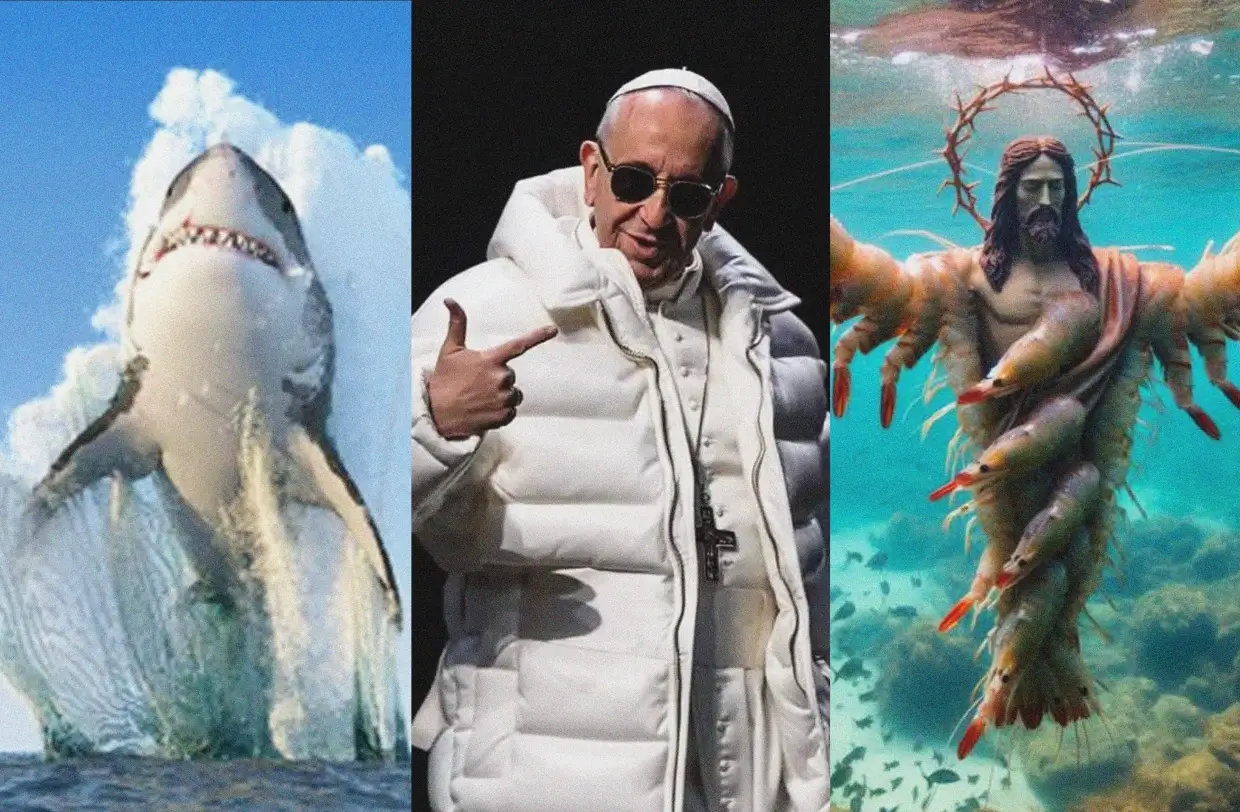
From AI-manufactured photos to entire videos generated from prompts. Articles written in seconds, fake news headlines. Content mills pumping out endless sludge, not to inform, just to exist long enough to get clicks.
We now live in the era of A.I. Slop: Content created for algorithms instead of people.
It’s not just that these things are artificial, it’s that they’re careless, rushed, and low-effort. Mass-produced filler designed to work with the algorithm rather than spark thought.
When everything can be generated instantly, the bar for what counts as “content” disappears entirely. And with it goes the human impulse that made the internet exciting in the first place.
This is why the internet feels so unwelcoming now. It's not necessarily because humans changed, but because the environment did. A space built for creativity and connection has turned into a simulation right before our eyes.
One line sums up the problem perfectly:
The problem is rewarding engagement over originality.
When algorithms value clicks more than creativity, people start creating for the algorithm instead of for each other.
Even real creators are pushed into patterns:
- Make this type of video
- Use this type of headline
- Follow this trend
- Hit these talking points
- Use AI to speed it up
- Repeat
The algorithm rewards sameness, so sameness becomes the standard. AI tools just accelerate the process, and now even human-made content often feels artificially engineered.
It’s creativity stripped of its humanity and expression without intention.
Losing the Human Element
The consequences are bigger than what you might think. When you can’t tell what’s real, trust erodes. When everything looks the same, imagination fades. When creativity gets replaced with replication, culture stops evolving. And its going beyond the internet, even articles in the newspaper are now being written using ChatGPT:

We are watching the world lose its human element, and that should concern all of us who care about originality, expression, authenticity, and real connection.
It’s not that AI is inherently bad. We use it as a tool the same as everyone else. It can be very helpful when it is use for what it is: as a TOOL. But it’s that the way we’re using it devalues what makes original creation meaningful: the human mind behind it.
What This Means for the Future of the Internet
If the internet continues down this path, it will become a place built for machines instead of people.
However, on a positive note, ultimately the future of the internet is up to us. Recognize slop when you see it, and dont reward it. Deep down, we still crave what is real.
Originality. Honesty. Effort. Care. A human touch.
The internet doesn’t need more content: It needs more creators.
The real ones, the human ones. The ones who make things with intention, not because a trend told them to, but because something inside them wanted to exist in the world.
A Call Back to Real Creativity
Amid all the algorithm-chasing and AI-generated sameness, there are glimmers of hope. Moments that remind us what real creativity actually looks like. One of the best recent examples comes from an unlikely place: Apple.
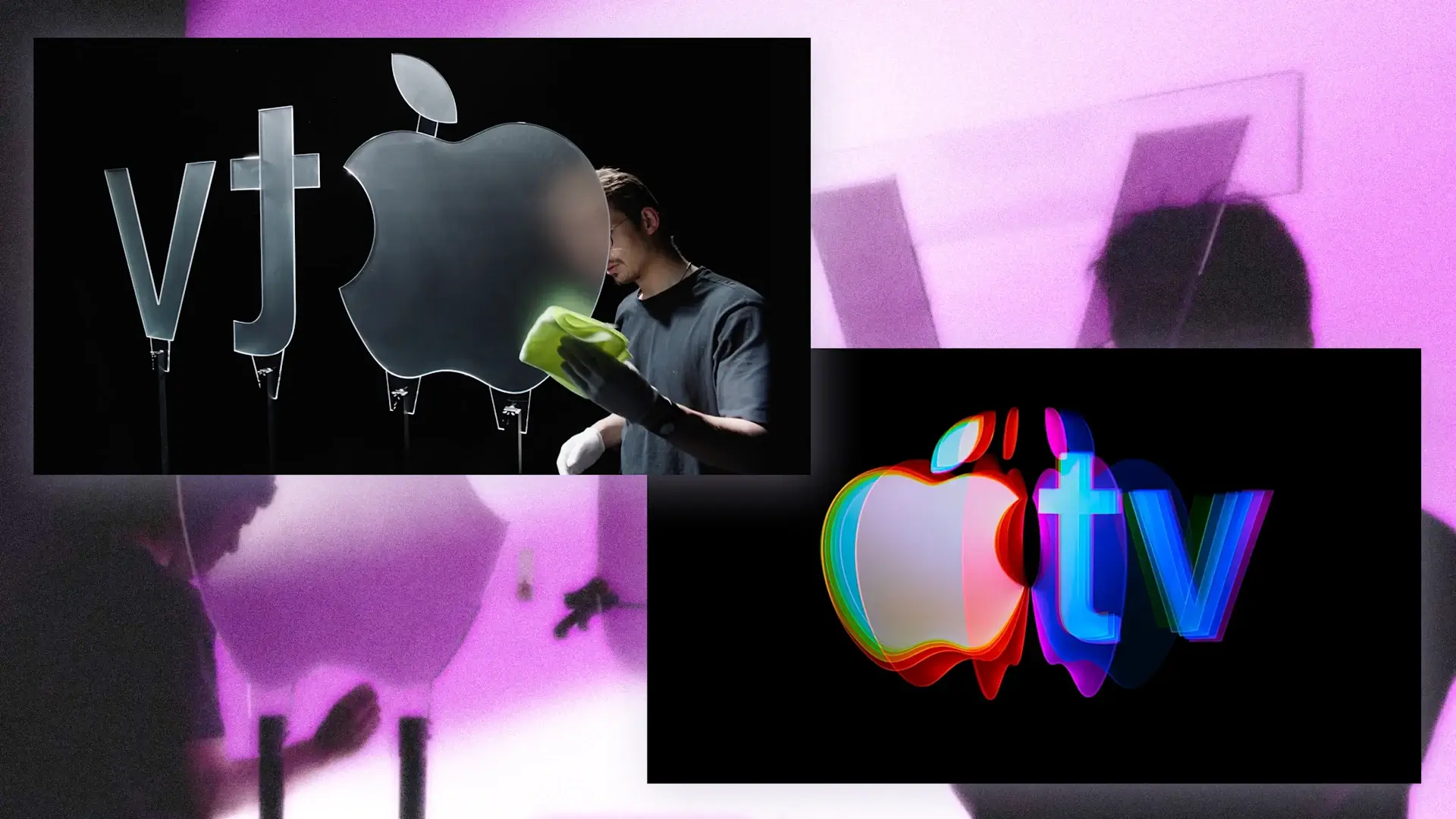
Instead of generating their latest Apple TV+ logo animation with software, something they could’ve done instantly and effortlessly, they went the opposite direction. They built a full physical production set. They used real cameras, real materials, real techniques, and an entire human crew to hand-craft every frame. In an era where digital shortcuts are everywhere, they intentionally chose the harder path: the one that requires patience, artistry, and human hands.
What makes that so special isn’t just the outcome, it’s the decision behind it. Because right now, it’s quicker and easier to make things digitally. It’s the fast option, the frictionless option, the “good enough” option. Building something physically is slower. More expensive. More time-consuming. It demands intention and care.
Seeing a company as massive as Apple take that route is encouraging. It signals that human-made work still has value. That people still crave authenticity. That creativity isn’t just about efficiency, it’s about expression, experimentation, and the joy of just making something real.
We need more of that. More things made with hands and minds, not just models and prompts.
More work that carries the fingerprints of the people who crafted it.
If the future of the internet is going to stay vibrant, these are the choices that will get us there.
We shouldn’t accept an internet built to feed algorithms instead of people. We can’t let automation replace imagination.
Because the future of the internet doesn’t have to be slop. It can still be vibrant. It can still be human. It can still be weird and wonderful and full of life.
But only if we choose to make it that way.
.jpg)


